What Happens To The Family Camp? How Vermonters Can Protect Camps From Medicaid Estate Recovery
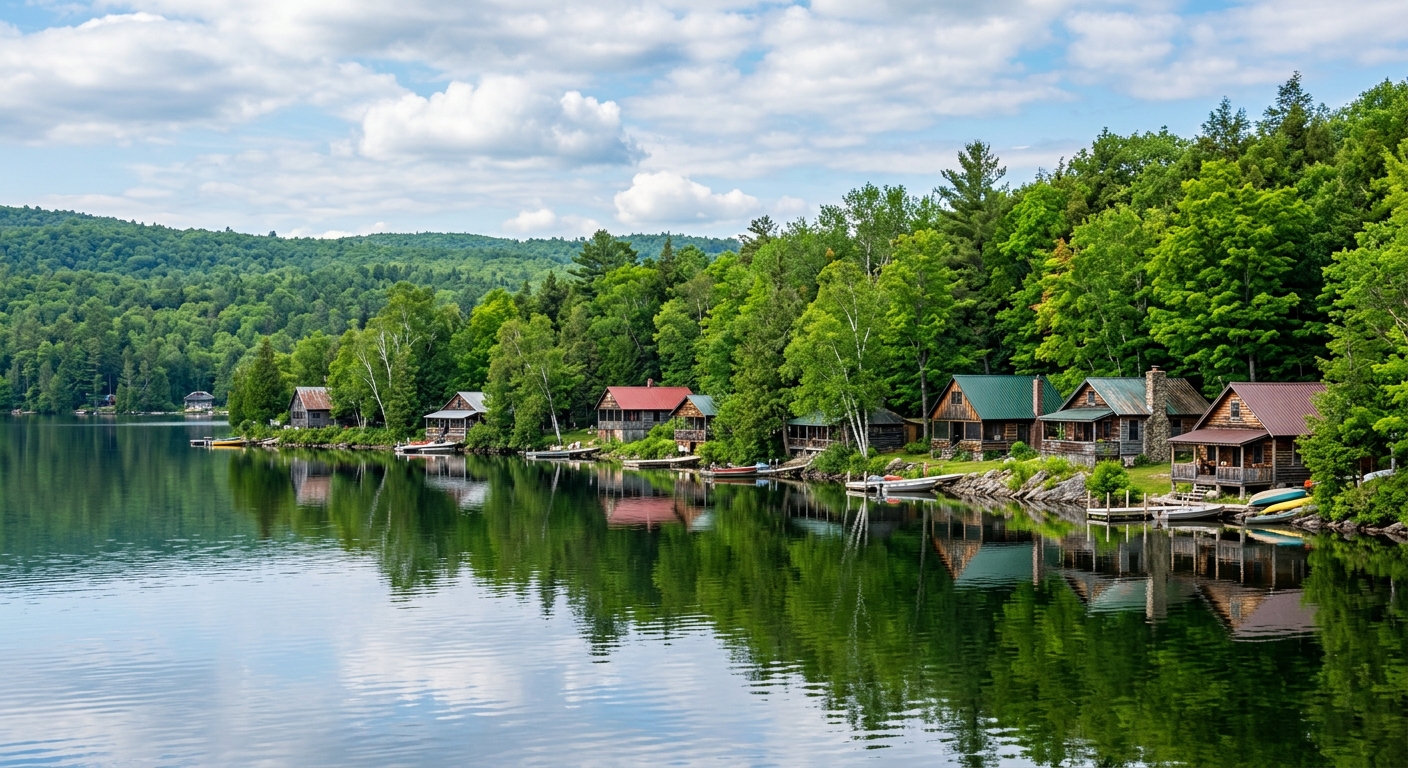
Family camps are a big part of life for many Vermonters. They are where families gather, celebrate milestones, and make memories year after year. For that reason, the idea of losing the family camp to long-term care costs can be especially upsetting. Many people are surprised to learn that Medicaid estate recovery can put a family camp at risk if the owner needs nursing home care in the future.
How Medicaid Estate Recovery Works
Medicaid is a joint federal and state program that can help pay for expensive long-term care when someone’s own income and assets are not enough. In Vermont, if a person over age 55 receives certain Medicaid benefits and later dies, the state is required to try to recover what it paid from that person’s estate. The “estate” usually means the assets that go through probate in the person’s name. For many Vermonters, real estate is the most valuable thing in the estate, which makes a camp or vacation property a natural target for recovery.
How the Family Camp Can Be Lost
Here is how that can play out. A parent owns the camp in their own name and plans to leave it equally among the children in their will. The parent later needs nursing home care, and Medicaid helps cover the cost. When the parent dies still owning the camp, the property is part of their probate estate. The state can file a claim to be repaid from estate assets, which may force the sale of the camp if there is not enough cash to cover the claim. Children who had always assumed they would inherit the camp may suddenly find that they need to come up with a large sum of money or watch the property be sold.
What Most Families Really Want
Most families have very different goals. They want to keep the camp in the family if possible, treat children fairly, prevent fights over taxes and maintenance, and avoid unnecessary court costs. They also want to reduce the chance that a Medicaid estate recovery claim will wipe out the value of the camp. Meeting these goals usually requires more than a simple will. It calls for looking closely at both how the property is owned and how it will pass at death.
How an Enhanced Life Estate Deed Can Help
One planning tool that can help is an enhanced life estate deed, sometimes described as a “Lady Bird” style deed. With a traditional life estate, the owner keeps the right to use the property for life, and at death it automatically passes to the named remainder beneficiaries.
An enhanced life estate deed goes a step further. It lets the owner keep broad powers during life, such as the ability to sell, mortgage, or even change the beneficiaries, without needing the consent of those remainder beneficiaries. At death, whatever is left passes directly to the named beneficiaries, outside of probate.
From a planning standpoint, this is important because Vermont’s Medicaid estate recovery rules generally focus on probate assets. If the camp passes automatically at death outside of probate, it may not be part of the estate that is subject to recovery. In addition, the owner keeps control during life, which can make people more comfortable using this strategy. It is not a magic solution, however. Medicaid has rules about transfers, look back periods, and how certain deeds are treated, and these rules can change over time. It is critical to understand how current Vermont law applies before signing any deed.
Other Options and Common Mistakes
An enhanced life estate deed is just one possible tool. Depending on the family and the property, a Vermont attorney may also talk about using a trust, adding the children as part owners, a limited liability company, or another type of deed. Each option has different effects on control, taxes, eligibility for Medicaid, and estate recovery exposure. What works well for one family may be a poor fit for another.
One of the biggest mistakes families make is waiting until a health crisis to talk about the camp. Another is assuming that a simple will is enough, or transferring the camp outright to children without understanding the tax and Medicaid consequences. The safest approach is to sit down with a Vermont estate planning and Medicaid planning attorney while the owner is still healthy and has all options available. With thoughtful planning, it is often possible to honor family traditions and improve the chances that the camp will be there for the next generation.